
A Complete Guide to the Different Radon Measurement Methods
Two radon tests taken in the same property may not produce the same kind of information. One may capture a brief snapshot, while another reflects conditions over several months. This guide to the different radon measurement methods explains how each technology collects and interprets radon. Knowing the differences can make test results easier to evaluate.
Your test results can show whether radon is accumulating at a level that requires action. When concentrations are elevated, a mitigation system uses suction, piping, and a specialized fan to redirect radon before it enters occupied areas. The system then releases the gas outdoors, where it can disperse away from the property.
Short-Term Radon Measurements
Short-term radon measurements typically last from 24-72 hours, depending on the device and testing goal. They are especially useful when results are needed relatively quickly. Because radon levels can change with weather, ventilation, and indoor conditions, these tests may not represent the property’s year-round average.
Each device collects or records radon differently. Proper placement and consistent test conditions are important for reliable results. Windows and exterior doors are generally kept closed except for normal entry and exit, and the device should remain undisturbed. Some short-term methods provide one average result, while electronic monitors can show how levels changed throughout long-term monitoring.
Long-Term Radon Measurements

Long-term radon measurements remain in place for more than 90 days and may continue year-round. Because they cover multiple seasons and changing indoor conditions, they can provide a broader estimate of average radon exposure. This longer testing period reduces the influence of brief weather events or temporary changes in ventilation.
Long-term testing is often useful when a property owner wants a clearer picture of typical conditions over time. These devices usually don’t show exactly when radon levels rose or fell, but they can provide a more representative average than a brief test. As with short-term measurements, the device must be placed correctly and left undisturbed throughout the testing period.
Common long-term and short-term radon measurement methods include:
- Activated charcoal devices: Charcoal absorbs radon from the surrounding air before the sealed device is sent to a laboratory for analysis.
- Continuous radon monitors: Electronic equipment records radon at set intervals and may also track environmental changes or possible device movement.
Environmental Factors Affecting Accuracy
Short-term radon test results can shift when indoor air conditions change during the measurement period. Drafts, high humidity, and changes in heating, cooling, or ventilation may affect how some devices collect radon. Charcoal-based tests can be especially sensitive because moisture and moving air may interfere with the way radon is absorbed.
Open windows and exterior doors can also change airflow and temporarily lower or raise indoor radon levels. For more reliable results, closed-building conditions are generally required before and during a short-term test, except for normal entry and exit.
How Mitigation Systems Reduce Radon

When testing finds elevated radon levels, residential radon mitigation services can reduce the amount of soil gas entering the home. These services typically involve sealing entry points, installing PVC piping, and using a continuously operating fan to draw radon from beneath the foundation and vent it outdoors. The system design is based on the home’s foundation type, layout, and likely radon entry paths. A customized setup can then address the conditions identified during testing.
Creating a Suction Point
A suction point gives the system access to the air beneath the property. Depending on the foundation, a technician may create an opening through the concrete slab, connect the system to a sump pit or drain tile, or draw air from beneath a sealed crawl space membrane. The area below the slab may also be cleared to create enough space for air to move toward the pipe. Some properties need more than one suction point to reduce radon throughout the structure.
Venting Radon Outside
PVC piping carries radon-laden air from beneath the foundation to an exterior discharge point. A specialized fan creates continuous negative pressure, drawing soil gas into the pipe instead of allowing it to move into occupied areas. Depending on the property and applicable codes, the pipe may travel through an attic, garage, side wall, or rear wall. The exhaust terminates above the eave so the gas can disperse outdoors away from windows and other openings.
Sealing and Monitoring Components
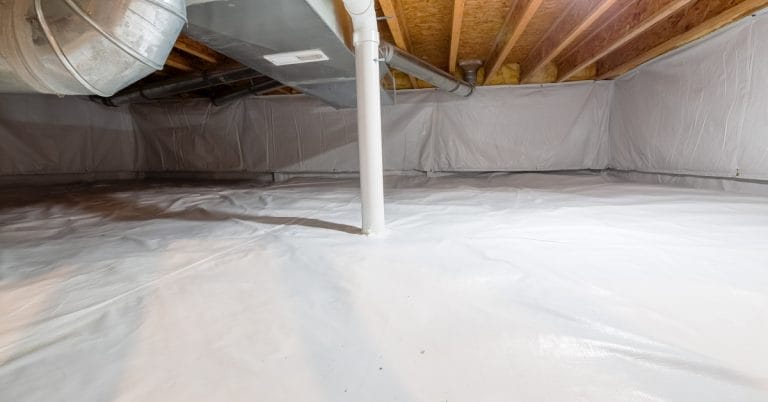
Sealants may be applied around cracks, floor-to-wall joints, sump covers, pipe openings, and other potential radon entry points. In a crawl space, a durable vapor barrier can cover exposed soil and create a sealed area from which the system draws air. A manometer installed on the pipe shows whether the fan is creating pressure within the system, although it doesn’t measure the indoor radon level. Follow-up measurements are needed to confirm that the system is reducing radon concentrations.
Radon measurement methods differ in testing duration, sampling process, analytical equipment, and the type of result they provide. Short-term tests measure radon over a limited period and can provide results relatively quickly. Long-term tests remain in place for more than 90 days and offer a broader estimate of average radon exposure. If testing confirms elevated radon in your home, contact Affordable Radon Southwest to discuss the next steps. Our team can design and install a mitigation system tailored for your home’s foundation, layout, and specific radon conditions.