
Crawl Space Encapsulation vs. Vapor Barrier
A musty odor, damp insulation, or torn plastic beneath your home may point to several crawl space concerns. Moisture is often the most noticeable issue. Exposed soil and unsealed openings can also allow radon, other soil gases, pests, and outdoor air into the space. When comparing crawl space encapsulation versus vapor barriers, consider how much area each option covers and which conditions it is intended to control.
What Is a Vapor Barrier?
A vapor barrier is a durable plastic sheet installed over exposed soil in a crawl space. It limits the amount of water vapor that can rise from the ground and collect beneath the home. Covering the soil also creates a cleaner surface.
This option focuses primarily on ground moisture rather than every condition that can affect a crawl space. A basic vapor barrier may leave foundation walls, vents, access doors, seams, and utility openings exposed. Those unsealed areas can still permit humid air and soil gases to enter the house.
What Is Crawl Space Encapsulation?
Encapsulation goes beyond covering exposed soil. It uses plastic barrier material and detailed sealing of exposed soil to separate more of the crawl space from the ground and the outdoor environment.
Sealing Floors and Walls
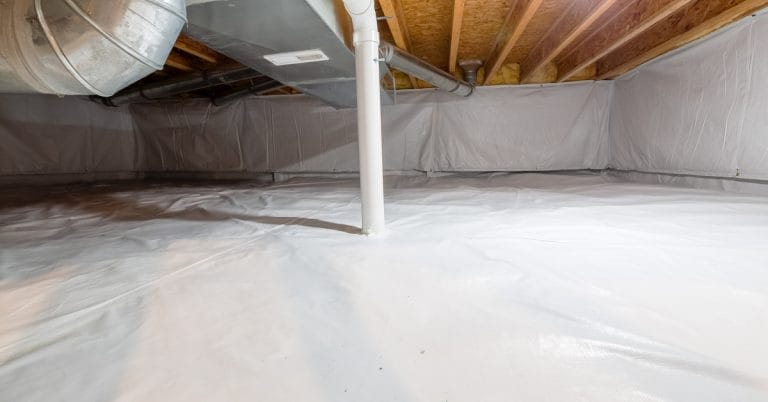
During encapsulation, durable plastic barrier material is installed across the crawl space floor and extended up the foundation walls. Seams and edges are secured to reduce gaps where moisture or soil gases could enter. Support columns, pipes, and other penetrations may require detailed fitting and sealing. This wider coverage creates a more continuous boundary than a ground-only vapor barrier.
Closing Vents and Openings
Foundation vents, access points, wall gaps, and utility penetrations can allow outdoor air and humidity into the crawl space. Encapsulation typically includes sealing appropriate openings that a basic vapor barrier would leave exposed. Necessary access to equipment, utilities, and serviceable components should still be preserved.
Managing Crawl Space Conditions

Sealing the crawl space reduces uncontrolled air and moisture movement, but the area may still require monitoring after installation. Most homes need a radon mitigation component added, and some homes need humidity control, insulation work, or drainage corrections. Plumbing leaks and active water intrusion must be repaired rather than sealed beneath new material. A complete plan addresses the sources of the problem as well as the surfaces that need to be covered.
Uses for a Vapor Barrier
A vapor barrier may be suitable when exposed soil is the primary source of moisture in the crawl space. Covering the ground can reduce evaporation into the area and provide a cleaner surface than bare dirt. It may be sufficient for a relatively dry crawl space without known radon concerns, widespread air leaks, recurring water, or significant humidity.
The crawl space should still be evaluated before material is installed. Poor grading, overflowing gutters, short downspouts, plumbing leaks, or standing water can overwhelm the protection a vapor barrier provides. Open foundation gaps and elevated radon results may also indicate that covering the soil alone will not fully address the home’s needs.
When Encapsulation May Be Better
Encapsulation may be a better fit when soil gases, air, moisture, or pests enter through multiple points in the crawl space. Affordable Radon Southwest offers crawl space encapsulation services that include assessing, installing durable barrier material, and sealing vulnerable areas.
Radon or Other Soil Gases
Radon forms naturally in soil and can enter a home through foundation openings and exposed soil. A sealed crawl space membrane may reduce available entry points, particularly when integrated into a professionally designed radon mitigation system.
Recurring Moisture or Condensation
Condensation can form when warm, humid air touches cooler pipes, ducts, or wood framing. A ground barrier may not solve the problem if moisture is also entering through vents, wall gaps, or leaks. Encapsulation seals more of these openings and surfaces to reduce unwanted moisture entry. Any drainage or plumbing issues should still be repaired before the project is started.
Persistent Odors
Musty or earthy odors can develop when gaps, damp air, exposed soil, standing water, or damaged materials remain beneath the home. Encapsulation can close many of these openings and reduce the chance of future problems. Any existing contamination, or structural damage should still be treated or repaired first.
Installation and Preparation Requirements

Installing a vapor barrier or encapsulation system starts with inspecting the crawl space and identifying any existing problems. Debris, damaged insulation, sharp objects, old plastic, and contaminated materials may need to be removed before new material is installed. Uneven soil may also need to be leveled so the barrier fits properly and is less likely to tear.
Encapsulation generally involves more preparation because the barrier must fit around walls, columns, pipes, drains, and other penetrations. When radon is a concern, the membrane may also need to accommodate piping or other parts of a mitigation system. During installation, the technician fastens the membrane in place, seals the seams, and closes the right gaps throughout the crawl space.
Comparing Cost and Long-Term Value
A basic vapor barrier generally costs less upfront because it covers fewer surfaces and involves less detailed sealing. Pricing can still vary based on crawl space size, accessibility, soil condition, material thickness, and preparation needs. Preparation requirements may raise your overall investment. This can include debris removal, leveling, drainage corrections, insulation work, pest treatment, and repairs.
Encapsulation often costs more to install because it covers additional surfaces and requires more detailed sealing. That broader coverage can provide greater protection from moisture, soil gases, pests, and uncontrolled airflow. Over time, this may offer better value by reducing the chance that unresolved crawl space problems will continue or return.
Vapor barriers and crawl space encapsulation can both protect the area beneath a home, but they offer different levels of coverage. A ground barrier may be suitable when exposed soil and water vapor are the primary concerns, while full encapsulation may be better when the space also has unsealed walls, soil-gas pathways, humid air, odors, or pest entry points. A professional evaluation can clarify which combination of services fits the conditions beneath your home.