How Professional Radon Mitigation Systems Work
Radon gas presents a silent threat to homeowners across the nation because it lacks smell, taste, or color. This radioactive element seeps into homes from the soil beneath the foundation, often accumulating in basements and crawl spaces to reach dangerous levels that health organizations warn against. Long-term exposure to high concentrations of radon serves as the second leading cause of lung cancer, making it a serious environmental hazard that demands attention from responsible property owners.
While testing can alert residents to the presence of this gas, only a professionally installed mitigation system can effectively reduce concentrations to safe levels consistently over time. These complex mechanical systems function on principles of physics and air pressure to intercept the gas before it ever enters the living space of a structure. Most standard residential systems utilize a method known as active soil depressurization, which alters the pressure relationship between the soil and the foundation of the home.
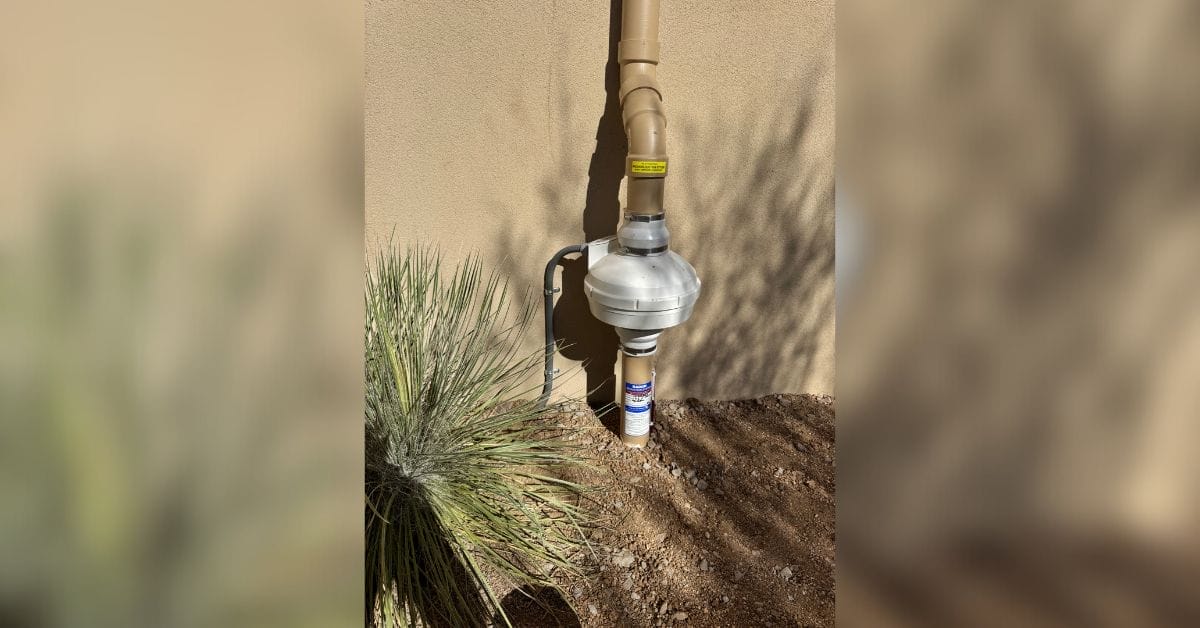
A specialized fan pulls air from beneath the concrete slab or vapor barrier and vents it safely above the roofline, where it dissipates harmlessly into the atmosphere. Understanding how professional radon mitigation systems work can help homeowners appreciate the protection they provide and emphasize the importance of proper installation standards.
The Foundation of Active Soil Depressurization
Active soil depressurization serves as the most common method to reduce radon levels in homes. Installers drill a hole through the concrete slab to reach the soil or gravel underneath. This access point allows the system to pull air from the earth below the foundation.
A PVC pipe connects to this hole and runs through the interior or exterior walls. The pipe acts as a conduit for the soil gases to travel toward the roof. The system creates a vacuum effect that prevents radon from entering through cracks or pores.
The Role of the Suction Point
The suction pit acts as the heart of the entire mitigation system for your home. Technicians remove a small amount of soil from beneath the slab to create a void. This open space allows air to move freely toward the suction pipe from all directions.
Proper placement of this pit determines how well the system functions across the entire slab. Installers use a diagnosticmethodto find the location with the best airflow communication potential. A well-placed suction point ensures that negative pressure extends to all corners of the foundation.
Sealing Cracks and Openings
Technicians must seal all accessible cracks and openings in the foundation floor and walls effectively. This process prevents the loss of vacuum pressure and improves the overall efficiency of the fan. Common leakage points include floor-to-wall joints, sump pump pits, and utility penetrations through the concrete.
Sealing also prevents conditioned air from the house from being drawn into the mitigation system. This step saves energy costs and ensures the fan focuses solely on soil gas removal. High-quality polyurethane caulk adheres well to concrete and remains flexible for many years afterward.
Discharge and Vent Pipe Requirements
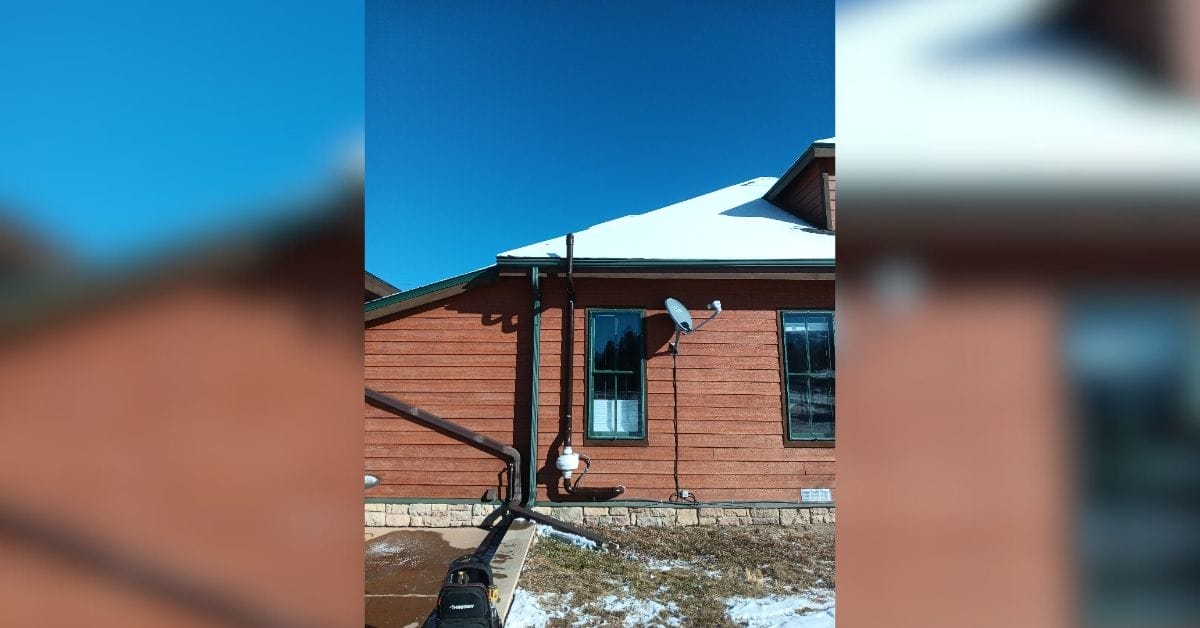
The vent pipe must terminate at least twelve inches above the roof of the structure. This height ensures that the exhausted radon gas does not re-enter the home through windows. The discharge point must also remain ten feet away from any air intake or opening.
Installers use Schedule 40 PVC pipe to ensure durability and resistance to harsh weather conditions. The pipe run should be as straight as possible to maintain optimal airflow velocity levels. Proper support straps secure the pipe to the structure to prevent vibration and noise issues.
Sump Pump System Integration
Homes with sump pumps require special attention during the installation of a radon mitigation system. The sump pit often provides a direct path for radon to enter the basement area. Installers seal the pit with an airtight cover that still allows access to the pump.
The mitigation system can often draw air directly from the sealed sump pit for suction. This approach utilizes the existing drain tile network to extend the pressure field further. Investing in professional residential radon system maintenance is the best way to ensure safety.
The Radon Mitigation Fan Mechanism
To understand how a professional radon mitigation system works, you must know that the fan operates continuously to maintain the necessary negative pressure field beneath the concrete floor. Manufacturers design these specialized fans to run for years without interruption or significant maintenance needs. They must mount outside the habitable space to prevent potential leaks back into the home.
Most installers place the fan in an attic or on the exterior of the house. The fan pulls soil gas up through the vent pipe and pushes it outdoors safely. This constant airflow keeps the pressure under the slab lower than the pressure inside.
System Performance Indicators
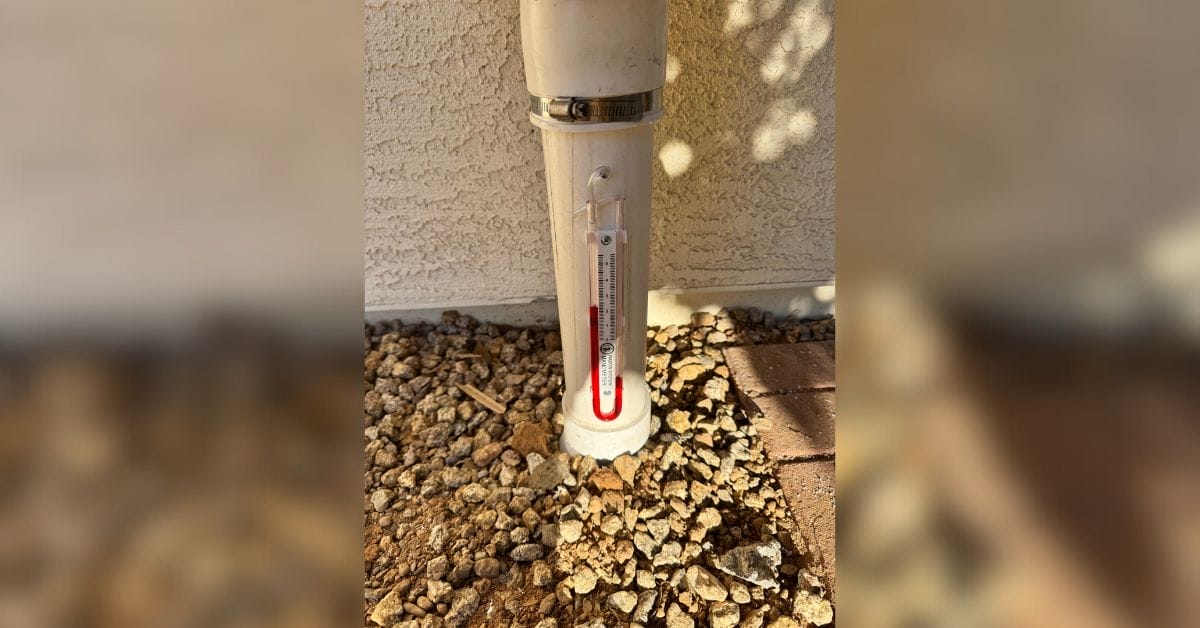
Every system includes a U-tube manometer to visually indicate that the fan works correctly. This simple gauge measures the pressure difference between the pipe interior and the basement air. The fluid levels in the tube should remain uneven to show that active vacuum pressure exists.
Homeowners should check this gauge periodically to verify the system continues to operate as intended. If the fluid levels become equal, the fan has stopped or lost power completely. This visual check provides peace of mind without the need for expensive electronic monitoring equipment.
Electrical Components and Safety
A dedicated electrical circuit often powers the radon fan to ensure consistent and reliable operation. Qualified installers must handle the wiring to meet local building code standards. The system should include a safety switch near the fan for easy maintenance access later.
Some systems incorporate an alarm that sounds if the airflow drops below a specific level. This feature alerts the homeowner immediately if the fan fails or a blockage occurs. Proper electrical installation prevents fire hazards and ensures the longevity of the fan motor unit.
Homes with Crawl Spaces
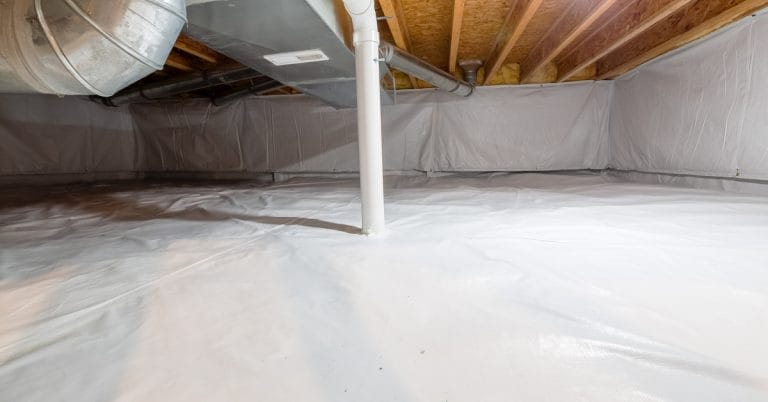
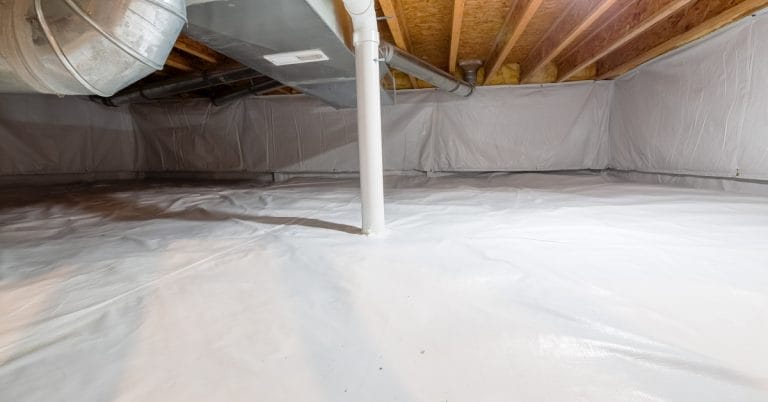
Dirt crawl spaces require a different approach than homes with solid concrete slab foundations. Installers lay a high-density plastic sheet over the exposed earth to trap the rising gas. They seal the edges of this membrane to the foundation walls with specialized adhesive caulk.
Vapor barriers manage moisture and improve air quality in homes with crawl spaces. These barriers use durable plastic sheeting designed to cover the ground surface, preventing the infiltration of water vapor from the soil into the crawl space. By reducing moisture levels, vapor barriers help to minimize the risk of mold growth, wood rot, and structural damage.
Professional radon mitigation systems provide a robust defense against a serious health risk found in many homes. These systems rely on the scientific principles of pressure differentials and airflow mechanics to intercept harmful soil gases before they infiltrate living spaces. From the strategic placement of suction points to the precise installation of fans and vent pipes, every component plays a vital role in the overall success of the mitigation effort.
Regular monitoring through manometers and periodic retesting confirms that the system continues to perform optimally years after installation. A properly installed and maintained mitigation system offers the most reliable solution for managing radon levels and ensuring a safe indoor environment.