
How Long Can You Expect a Radon Mitigation System To Last?
Radon mitigation systems are designed to be dependable, providing homeowners with long-term protection against an invisible risk. They reduce radon levels by drawing gas from beneath the home and venting it safely outside. However, all equipment needs repairs at some point, so how long can you expect a radon mitigation system to last? The short answer is that many last 20 years or more, but some components may need repair or replacement sooner.
Radon Mitigation Components
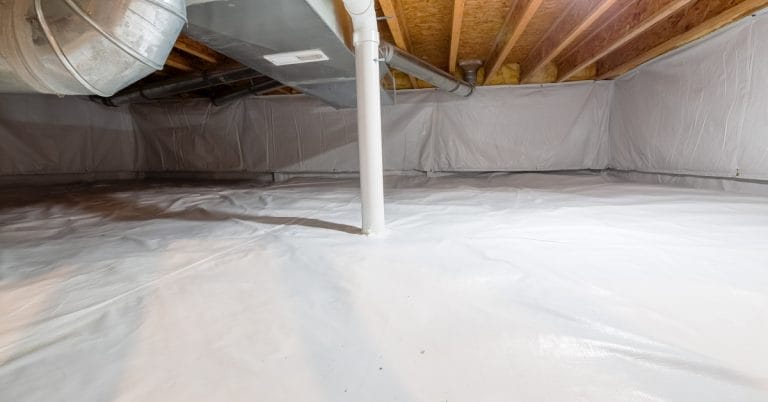
Comprehensive protection from radon combines airflow, ventilation, and sealing into one coordinated process. The fan creates negative pressure beneath the home, drawing radon gas into a vent pipe. That pipe directs the gas safely outside, away from living areas. A gauge or alarm indicates whether the setup continues to operate as expected.
Over time, each part responds differently to daily use and environmental conditions. The fan carries the heaviest workload, since it runs continuously to maintain suction. Pipes and fittings may last for decades, though they can develop issues if damaged or exposed to harsh conditions. Monitoring devices may lose accuracy or fail as they age, so they also require periodic checks.
Factors That Affect Lifespan
A radon mitigation system does not wear out all at once. Instead, the overall life span depends on how well the system was installed, where the fan sits, and how much stress the parts handle over time. That is why two homes with similar systems can end up on very different repair timelines.
Most of the visible piping can stay in place for decades when it remains intact and properly sealed. The part that usually sets the maintenance schedule is the fan, because it runs continuously and does the daily work of moving soil gases away from the home. When that component weakens or fails, the whole system’s performance drops with it. Most fans last between 5 and 10 years.

What To Check
You should check the visible parts of your radon mitigation setup every few months. You should also check the system components if you hear an unusual noise, notice a warning signal, or get a test result that seems off.
Look for these signs during your inspection:
- A fan that sounds louder than usual or vibrates.
- A warning device that has activated or is not working properly.
- A manometer reading that looks different than normal.
- Loose pipe connections or visible damage.
- A discharge point blocked by debris or other obstructions.
If you notice any of these issues, contact a specialist for home radon system repairs rather than waiting to see if the problem gets worse. A technician can inspect the fan, piping, warning device, and airflow to find out what is affecting performance. In many cases, there is no need for a full system replacement. The specialist will replace the worn part or correct the connection problem. After the repair, you may also need follow-up testing to confirm that the setup is properly reducing radon levels.
Conditions That Impact Wear
A radon mitigation setup tends to wear out faster when it operates under harsh conditions, such as heat, moisture, and outdoor exposure. These circumstances do not immediately ruin the equipment, but they can place greater strain on the fan and shorten its service life.
Outdoor Exposure
A fan installed outside must withstand rain, wind, temperature fluctuations, and direct sunlight. That extra exposure can put more stress on the motor and housing over time. As a result, outdoor placement may lead to faster wear than a more sheltered location.
Attic Heat
An attic can be 20 to 50 degrees hotter than the rest of the house, especially during hot weather. Excess heat puts added strain on the fan’s motor, causing it to work harder than it would in a cooler environment. Over time, that stress can wear down internal components faster and shorten the fan’s overall lifespan.
Moisture and Humidity
Moisture can create problems for electrical and mechanical parts if it builds up around the equipment. Damp conditions may also affect nearby connections and other visible components. Running a dehumidifier or fixing water intrusion issues can keep excess moisture from building up near the setup.

Value of Professional Installation
Professional installation plays a major role in how well a radon mitigation setup performs over time. A properly installed setup runs more efficiently, experiences less strain, and is less likely to develop early issues. That strong start can make a noticeable difference in both performance and lifespan.
Customized for the Home
Every home has a different foundation, layout, and airflow pattern, which means a one-size approach does not always work well. A professional evaluates these factors before choosing how to configure the setup. The home’s characteristics affect where suction points should be located, how the piping should run, and how much fan power the setup may require. A tailored setup helps the equipment operate more effectively and efficiently.
Proper Fan Placement
The fan needs to maintain strong, steady suction while also avoiding conditions that can wear it down too quickly. A mitigation specialist considers the home’s layout, the vent pipe route, and the best location for safe, effective airflow before deciding where to install it. They also consider exposure to heat, moisture, and weather, since those conditions can put added strain on the motor over time. Picking the right spot supports a longer service life.
Correct Installation Techniques
Proper sealing, secure connections, and correct pipe routing all support long-term performance. A trained installer follows proven methods to maintain consistent airflow and prevent leaks or pressure loss. That attention to detail helps the setup maintain steady radon reduction without added strain on its components.
With proper maintenance, most homeowners can expect their radon mitigation system to last 20 years or more. While some parts may need replacement sooner than others, the full setup can continue performing well with the right attention. Checking visible components, responding to warning signs, and addressing repairs early all help extend its service life. If your setup is due for a check or showing signs of wear, contact Affordable Radon Southwest for a professional inspection. Our team can identify performance issues and make the necessary repairs to keep your home protected.