
Work in Radon Gas Awareness Month: What To Expect
January is Radon Gas Awareness Month. The purpose of this annual observance is to raise awareness about this naturally occurring, invisible, odorless, highly radioactive noble gas that commonly seeps into homes and businesses from the ground.
- Origin: It is produced by the breakdown of uranium found in nearly all soil and rock.
- Invisible Threat: Because it is colorless, odorless, and tasteless, it can accumulate in buildings undetected.
- Mechanism of Harm: The danger lies in its radioactive decay products. As radon decays in the lungs, it releases tiny bursts of energy (alpha particles) that damage lung tissue and DNA.
- Health Risk: Radon exposure is the leading cause of lung cancer among non-smokers and the second leading cause overall, following cigarette smoking. The risk is significantly amplified by the combination of smoking and exposure.
If radon levels within a property are high enough, prolonged inhalation can lead to health issues, including respiratory irritation and an increased risk of lung cancer. For context, a radon gas level of 4.0 pCi/L is often cited as having a comparable cancer risk to smoking about eight cigarettes per day.
This level – 4.0 pCi/L – is the action level at which the EPA recommends mitigation for a home.
Here’s what you can anticipate from an inspection during Radon Gas Awareness month.
Setting Up Your Appointment
The first step involves contacting a professional radon testing service to schedule an inspection. When you call, a representative will ask a few questions about your property. They’ll want to know the size of your home or business, its age, and if you’re aware of any existing foundation issues. This information helps them prepare for the visit and give you a more accurate understanding of the services to be provided.
Initial OnSite Walkthrough
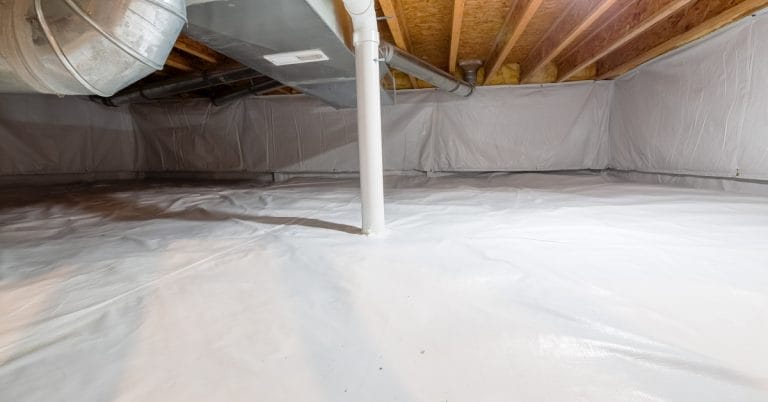
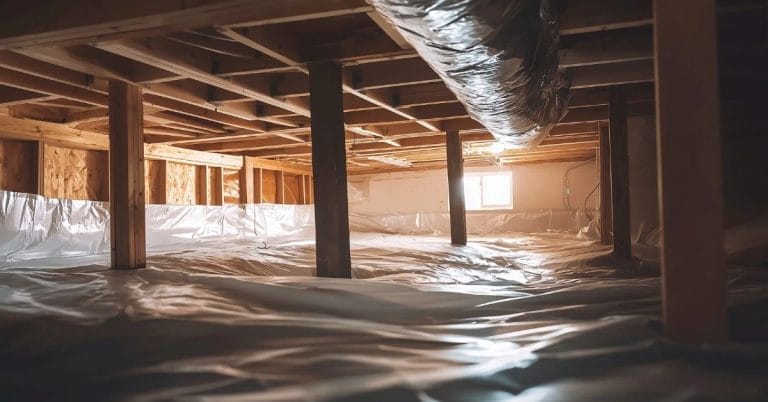
When the radon professional arrives, they’ll start with a visual walkthrough of your property. They’ll examine the foundation for any visible cracks or openings through which gas could enter. They’ll also check for any previous radon mitigation systems that might have been installed. This initial assessment gives them a clearer picture of potential entry points and helps them decide on the best locations for placing the testing equipment.
Discussing the Testing Process
After the walkthrough, the technician will explain the testing process to you. They’ll detail what type of testing device they’ll use, where they plan to place it, and how long the test will need to run. This is a great time to ask any questions you have. The professional will provide clear instructions on what you need to do during the testing period.
Placement of Testing Devices

The placement of the testing device is a methodical process. Radon professionals select locations based on specific criteria to get the most accurate results. Typically, they place the device in the lowest livable area of the building, like a basement or first floor, since radon gas is heavier than air and tends to accumulate in lower levels. They’ll avoid areas with high humidity, like bathrooms , and spots with a lot of drafts that could skew the readings.
Types of Radon Tests
Two types of tests can be performed. First is the L.A.C.(lab-activated charcoal) test for initial screening, using a container of activated charcoal to absorb radon gas levels in indoor air. Professional placement, set-up, and seal-up will ensure accurate reading. Once the testing process is completed, the test container is sent into a lab for processing and test results. The report will show a long-term and short-term average over a 24-to-72-hour exposure time for a short-term period to give a quick, but effective snapshot of radon levels.
An alternate method for radon gas testing is to use a C.R.M. testing device (continuous radon monitor) that constantly measures radon gas levels in indoor air, recording data hourly (or more frequently) to show fluctuations and spikes, offering more detailed, real-time data. Continuous short-term and long-term averages are recorded. A radon professional will set up the digital monitor, selecting the best location to obtain the most accurate results. After a minimum of 48 hours, the professional will be able to provide a written report for a quick, but effective snapshot of radon levels.
In some cases, the professional will offer dual testing, using an L.A.C.and a C.R.M. for initial testing. The professional will recommend the type of test(s) that suit your situation best.
A C.R.M. testing device can be left set up to provide continuous monitoring of radon levels, recording longer short-term and long-term readings after mitigation. Continuous monitoring gives a more comprehensive average of radon levels over a longer period, which accounts for fluctuations and spike readings due to weather and seasonal changes.
Maintaining Closed-House Conditions
For the duration of the radon test, you’ll need to maintain “closed-house conditions.” This means all windows and external doors must remain shut, except for normal entry and exit. The goal is to trap the air inside so the testing device can get a stable reading of the radon concentration. Your technician will give you a full rundown of what this entails, so you’ll know exactly how to manage your home or business environment during this period.
Test Duration and Retrieving the Test
Once the device is in place and the house is sealed, the waiting begins. The technician will inform you precisely how long the test will run. During this time, it’s just a matter of following the closed-house protocols and letting the device do its work. You can go about your daily activities as usual within the property.
When the testing period is complete, the radon professional will return to retrieve the device. This visit is usually quick. They will professionally stop the test, confirm that all protocols were followed, and let you know when you can expect your results. With a C.R.M., the test report can be provided right away. With an L.A.C., results are typically available within 7 to 10 business days, which includes mail time.
An alternate method for radon gas testing is to use a CRM testing device (continuous radon monitor), which is an electronic device that provides real-time, hourly readings of radon levels, offering highly accurate data, especially for post-mitigation verification or detailed risk assessment over a long period of time. Many people will choose to have a CRM testing device running all year round for added peace of mind.
In the case where a C.R.M device is used an immediate digital readout is available after the 48-hour mark.
Analyzing the Results
The data from the testing device gets analyzed. Professionals calculate the radon concentration in your property’s air, which is measured in picocuries per liter (pCi/L). This analysis produces a number that tells you the level of radon present. The Environmental Protection Agency (EPA) has set an action level of 4.0 pCi/L. If your results are at or above this number, they recommend you take steps to lower the radon levels.
Receiving and Understanding Your Report

You’ll receive a detailed report that outlines the findings. This document will show the measured radon level and compare it to the EPA’s action level. A qualified professional will walk you through the report, explaining what the numbers mean for you and your property. They’ll answer your questions and make sure you have a clear understanding of the situation. This report is your roadmap for what to do next.
Schedule Your Radon Gas Test Now
Radon Gas Awareness month encourages homeowners and business owners alike to get their properties tested for this insidious, but manageable element. Now that you know the dangers, it is time to take action.
At Affordable Radon Services Southwest, we offer residential and commercial radon testing that’s thorough and accurate. As part of the inspection, our team will identify potential entry points and place testing equipment in the most effective locations. You’ll get a detailed report and analysis that explains the findings in a clear way. If testing comes back positive for elevated radon, we also offer mitigation services. We use different types of comprehensive methods designed to the building’s specifications. Reduce radon levels inside your home or business to a safe level by contacting us today to schedule your radon test this winter season.