
Tips for Choosing the Right Radon Mitigation Services
Most people don’t spend a lot of time thinking about radon, but once you’ve found elevated levels of this gas on your property, fixing the problem becomes a priority. Suddenly, you’re weighing quotes, timelines, and technical terms you’ve never had to care about before. If you’re trying to protect your household or business, these tips for choosing the right radon mitigation services will help you understand your options.
Start With Testing
Radon mitigation starts with testing, because a contractor needs real data before recommending equipment or placement. You can ask your testing provider how the test will be run, how long it will take, and what the results mean for your building type and foundation style. If your number meets or exceeds the EPA action level of 4.0 picocuries per liter (pCi/L), you’ll need a radon mitigation system.
Understanding the EPA Action Level
The EPA action level is the point at which the agency recommends taking steps to reduce indoor radon. Some owners also choose to reduce radon when results fall between 2.0 and 4.0 pCi/L. No level of radon exposure is known to be completely safe. Radon raises lung cancer risk over time, but mitigation reduces indoor levels at the source.
Ask About Reduction Goals
Don’t settle for vague promises or a sales pitch that skips the details. Ask what reduction level the provider aims for, how they verify results, and what happens if the initial post-test still comes back high. A credible contractor will connect the plan to your layout and building use, rather than forcing a one-size-fits-all system.
Ask these questions to better understand how the service provider operates:
- What radon level do you target after installation?
- Do you include post-mitigation testing, and when does that happen?
- What troubleshooting steps do you use if levels stay elevated?
- What parts and labor coverage come with the warranty?
- How do you document results for real estate or facility records?

System Parts and How They Work
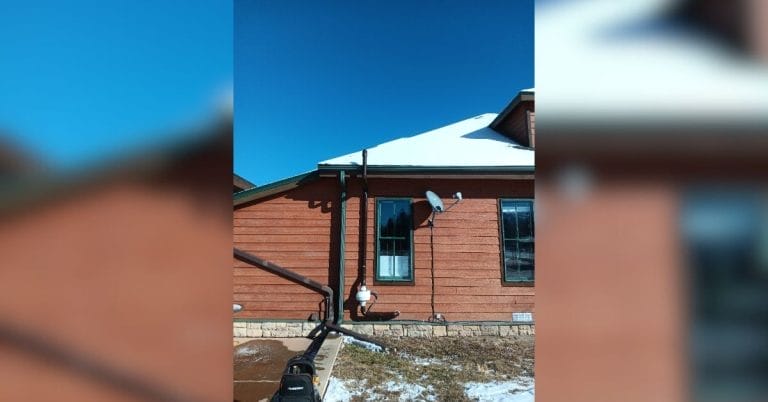
A radon mitigation system consists of several components that work together to pull radon from beneath a building and safely vent it outside. With the right fit and a clean installation, the system effectively lowers indoor radon levels.
Suction Point and Piping
The suction point sits where the system collects radon-laden air from beneath the slab or membrane. PVC piping then carries that air upward through a planned route with as few sharp turns as possible. A clean pipe path matters because smoother airflow helps the system move more air with less strain.
The Radon Fan
The fan provides the pull that keeps radon moving out instead of drifting indoors. Installers usually place it in an attic, garage, mechanical area, or outdoors to vent radon that has collected. The fan’s placement affects noise, service access, and the system’s ability to maintain steady suction.
Vent Discharge Outside
The vent discharge releases the collected air above the roofline or at an approved exterior location. This step keeps the radon from re-entering through windows, doors, or air intakes.
Sealing And Plastic Membranes
Sealing targets obvious entry routes such as cracks, joints, and gaps around penetrations. In crawl spaces, your radon mitigation system technician can install a plastic membrane to cover exposed soil. This crawlspace encapsulation service pairs with suction to control gas movement.
System Indicator and Follow-Up Test
Many systems include a visual indicator that lets you confirm at a glance that everything is running well. After installation, a post-mitigation test provides hard data showing the reduction. Written documentation makes those results easy to reference later, especially for property files or maintenance records.

Planning The System Layout
No two properties handle radon the same way, so mitigation systems shouldn’t look identical from one site to the next. When you choose the right radon mitigation services, your technician will tailor the plan to your foundation type, your floorplan, and the pathways through which radon enters. Workplace radon mitigation services may require more detailed planning, as commercial spaces often involve larger square footage, varied HVAC systems, and more occupied areas to protect.
Foundation Type and Footprint
Technicians start by looking at your foundation style—slab, basement, crawl space, or a combination—because each one changes where radon collects and how it moves. Next, they look at the building’s footprint because size, additions, and split sections can affect how evenly the system can pull air. By considering the building’s foundation and footprint, your mitigation team avoids pockets where radon levels remain elevated.
Airflow and Pressure Patterns
Radon enters where pressure differences pull soil gases inward, so technicians pay attention to how air moves through your structure. They may ask about HVAC setups, exhaust fans, and how frequently doors open, especially in workplaces with regular foot traffic. Those details help them place suction points where the system can maintain steady performance.
Sump Pits, Drains, and Entry Paths
A sump pit, floor drain, or utility penetration can act like a direct pathway for soil gas. Technicians inspect these features to decide what needs sealing, what needs a cover, and where piping can connect.
Pipe Routing and Visual Impact
Installers choose a pipe route that supports good airflow while keeping the interior and exterior tidy. They also consider access for future service, so the system stays easy to maintain without tearing into finished areas.
Compare Warranties and Support
A radon system runs all day, every day, so warranty coverage and service responsiveness should factor into your decision. Ask what warranty applies to the system and what support looks like if you have questions later.
An experienced local expert can provide the best installation and follow-up support. Radon levels vary with soil conditions, foundation details, and shifts in indoor air pressure. A local radon mitigation specialist understands the construction styles in your area and the ground conditions that can affect how radon enters.
A radon mitigation system works around the clock to protect everyone in the building. The best systems rely on smart placement, careful sealing, and clean workmanship that fit your foundation and floorplan. Reach out to Affordable Radon Southwest for a quote for a radon mitigation service for your property.