
Tips for Controlling Moisture in Your Crawl Space
Moisture in your home’s crawl space can lead to structural damage, poor indoor air quality, and mold growth over time. It’s easy to overlook this hidden area, but small issues can quickly turn into costly repairs. Crawl spaces are especially vulnerable to damp conditions because they are the foundation buffer between the soil and the first floor. These tips for controlling moisture in your crawl space protect both your property and your health.
Improve Drainage Around Your Foundation
Water that collects near the foundation is one of the most common causes of moisture in the crawl space. When rainwater isn’t properly directed away, it can seep into the ground and raise humidity levels beneath your home.
These tasks improve drainage and prevent water from accumulating near the foundation:
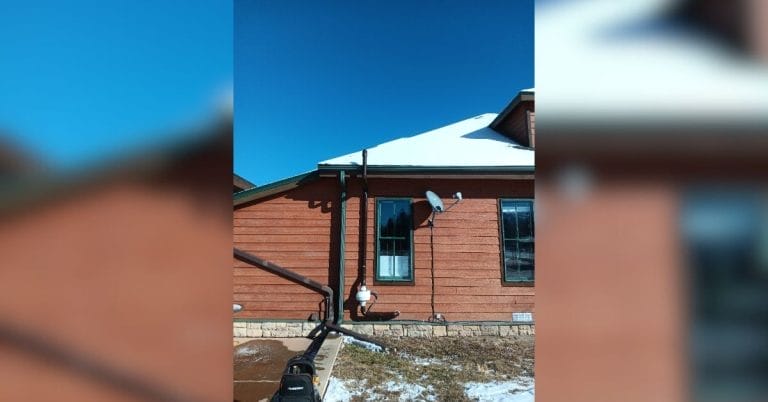
- Extend downspouts away from the home.
- Clean gutters regularly.
- Use splash blocks where needed.
- Regrade the soil or add fill dirt so water drains away from the foundation instead of pooling nearby.
Why Water Pools Near Foundations
Water often pools near foundations when gutters overflow, downspouts discharge too close to the home, or the yard slopes inward instead of away. Repeated pooling can saturate the soil surrounding the foundation and keep the area consistently damp. As the ground becomes waterlogged, moisture can seep into the crawl space.
Seal Air Leaks and Foundation Cracks
Air leaks and small cracks allow outside moisture to easily enter your crawl space. These openings can also let humid air circulate, increasing condensation and dampness.
These are some of the main places to check for gaps, cracks, and leaks:
- Pipe and utility openings.
- Vents and access doors.
- Foundation cracks.
- Rim joists that sit on top of the foundation walls.

Install a Crawl Space Vapor Barrier
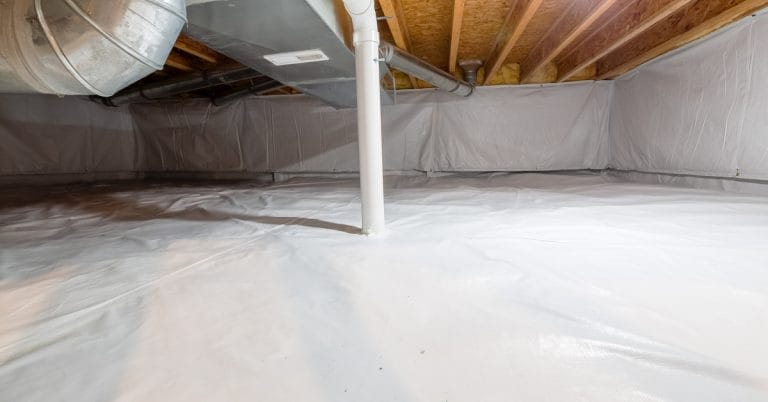
Encapsulation is one of the most comprehensive solutions forcontrolling crawl space moisture. It involves sealing the entire space with a vapor barrier that blocks moisture from the ground. Without a vapor barrier, moisture can rise through the soil, increase humidity levels, and create an environment where mold and mildew thrive.
Professional crawlspace sealing services install a high-quality barrier designed for full coverage and long-term moisture protection. The barrier is anchored and sealed along walls, supports, and penetrations to eliminate pathways for moisture intrusion.
What Humidity Level Is Safe?
Relative humidity measures how much moisture is in the air. In general, an ideal relative humidity level in the crawl space falls between 30 and 50 percent, while anything under 60 percent is usually considered acceptable. Once humidity rises above 60 percent, the risk of moisture-related problems increases.
Additional Benefits of a Vapor Barrier
Beyond moisture control, a vapor barrier can help improve your home’s overall energy efficiency. Reducing excess humidity lessens the strain on your HVAC system and supports more consistent indoor temperatures. Moreover, vapor barriers can reduce pest activity by eliminating the damp conditions that attract termites, ants, and cockroaches. A properly installed barrier limits entry points, making it harder for pests to access and thrive in the space.
Use a Dehumidifier
Even when you take steps to block moisture, crawl spaces can still collect humidity from outdoor air, damp soil, seasonal weather changes, and everyday temperature shifts. That trapped moisture can linger in the space, creating damp conditions that lead to mold, mildew, and musty odors.
A dehumidifier pulls excess moisture from the air and collects or drains it out of the crawl space. To keep it working properly, the unit should be the right size for the space. Maintain it with regular filter cleaning, drainage checks, and routine inspections.
Signs of Excess Humidity
Musty odors are often one of the first signs that moisture levels are too high. The smell may drift into the home. You may also notice condensation on pipes, ductwork, or other surfaces, which can indicate the air is too damp. Over time, that moisture can lead to visible mold, wood staining, warped materials, or insulation that looks wet or sags.
Ensure Proper Ventilation
Crawl space ventilation typically involves either traditional vents or sealed and conditioned systems. The right option depends on your climate and home design. Vented crawl spaces use wall vents to allow outside air to circulate through the space. However, in humid climates, this method can sometimes bring in more moisture than it removes.
In contrast, sealed or conditioned crawl spaces can close off vents and help control moisture internally. These systems often include vapor barriers, air sealing, and sometimes a dehumidifier or HVAC connection to regulate temperature and humidity. By limiting outside air and managing conditions inside the space, sealed crawl spaces tend to provide more consistent and effective moisture control.

Use Plants and Hardscaping
Plants and hardscaping features affect how water moves through your yard before it reaches the foundation. Deep-rooted plants can improve soil drainage by helping the ground absorb and manage excess moisture more effectively. When placed thoughtfully, landscaping elements can reduce runoff and help keep the crawl space drier.
Hardscaping features like gravel beds, stone borders, and drainage paths can also help direct water away from your home. These materials reduce pooling near the foundation and help manage heavy rain more efficiently. Using plants and hardscaping together creates a more effective approach to moisture control around the home.
Fix Plumbing Leaks Promptly
Even small plumbing leaks can introduce significant moisture into your crawl space over time. Because crawl spaces are often out of sight, these leaks may continue for weeks or months before anyone notices the damage.
The following warning signs may indicate a plumbing leak below your home:
- Puddles or standing water in the crawl space.
- Damp or muddy soil.
- Musty or mildew-like odors.
- Water stains on wood or insulation.
- Visible corrosion on pipes or fittings.
- Wet, sagging, or damaged insulation.
- Mold or mildew growth on surfaces.
If you notice any of these signs, identify the source of the leak or contact a professional to inspect the area. Repairs may include tightening or replacing damaged pipes, sealing joints, or fixing faulty connections. In more serious cases, sections of plumbing may require replacement.
A dry crawl space supports a stronger, healthier home above it. By managing moisture with the right strategies, you reduce the risk of property damage and maintenance issues. Proper drainage, professional sealing, and humidity-control measures provide reliable, long-lasting solutions. Let Affordable Radon Southwest encapsulate your crawl space to help prevent moisture intrusion.