
The Importance of Moisture Control in Your Crawl Space
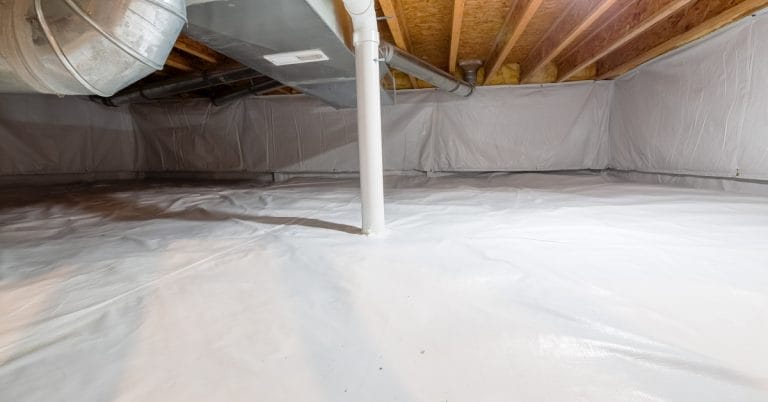
Moisture can build up beneath a home gradually, which means the first signs are often easy to miss. In a crawl space, that dampness can affect wood, insulation, air movement, and other conditions connected to the rest of the house. Controlling moisture can reduce the chance that a small issue becomes widespread material damage or ongoing humidity problems. See how crawl space encapsulation can limit ground moisture and improve conditions below the house.
Protecting Your Home’s Structure
Many structural components near a crawl space are made of materials that don’t perform well when they stay damp. Floor joists, beams, subflooring, and other wood components can absorb moisture over time. Consistent moisture control reduces how long these materials remain exposed to wet conditions.
Catching moisture problems early can also limit how far damage spreads. During routine checks, you may notice staining, soft wood, warped materials, or other changes that point to excess moisture. Repeated changes in moisture levels may also cause some materials to swell, warp, or separate. Other components, including fasteners and insulation, can deteriorate when damp conditions continue. Keeping the area dry reduces wear on the materials that support and protect your home.
Preventing Mold and Mildew Growth
Moisture control in your crawl space is especially important for preventing mold and mildew. Mold and mildew are types of fungi that grow from tiny spores found in the air. They develop more easily in damp and humid places. In a crawl space, moisture from leaks, exposed soil, or condensation can create the environment these fungi need to spread across wood, insulation, and other materials.
Several conditions can increase the likelihood of mold or mildew developing:
- standing water after heavy rain
- persistent condensation on surfaces
- damp wood or insulation
- high humidity beneath the home
- plumbing or drainage leaks
Improving Indoor Air Quality

Conditions in the crawl space don’t always stay below the floor. Air can move through openings around wiring, plumbing, ducts, and other penetrations, carrying moisture and odors into nearby areas of the home. Temperature and pressure differences can also influence how air moves from one area to another. If the crawl space remains damp, that air movement may contribute to less comfortable indoor conditions.
One way to create a more controlled environment below the home is to reduce exposed soil and limit outside moisture from entering. Sealed crawl space services typically involve covering exposed soil with a durable vapor barrier and sealing key areas where moisture can enter. This creates a more complete separation between the crawl space, the ground, and outside air, making moisture levels easier to manage.
Reducing Musty Odors
A musty smell is often one of the first signs that a crawl space has been staying damp. The odor may come from moist soil, wet materials, mildew, or areas where water has been collected. Because air can travel through the structure, those smells may eventually become noticeable in rooms above.
Masking the odor won’t fix the underlying condition. A better solution is to identify where the moisture is coming from and address the source.
Protecting Insulation and Energy Efficiency
Some homes have insulation in the crawl space to reduce heat transfer between the area below and the living space above. When it’s installed correctly and stays in good condition, insulation can support more consistent indoor temperatures and reduce unnecessary energy loss. Depending on the crawl space design, you may install insulation between floor joists or along the crawl space walls.
Moisture can interfere with those benefits by causing insulation to sag, shift, compress, or deteriorate over time. Once the material is damaged or no longer fits tightly in place, it may become less effective at slowing heat transfer. Damp insulation can also cause musty odors and may need repair or replacement if the damage is extensive.
Signs that moisture may be affecting crawl space insulation include:
- insulation hanging below floor joists
- damp or discolored material
- compressed or deteriorating insulation
- visible gaps in insulated areas
- water stains near insulation
Discouraging Moisture-Loving Pests
A damp crawl space can create conditions that attract certain insects and other pests. Wet wood, standing water, and persistent humidity may provide the moisture sources they seek. Reducing those conditions makes the area less suitable for pests that prefer damp environments.
Moisture control is most effective when it’s combined with basic crawl space maintenance. Damaged vents, gaps, debris, and leaks can all make the area easier for pests to enter or remain in. Keeping the space clean and dry removes several conditions they may take advantage of.
Avoiding Expensive Repairs

Small moisture problems can become much more costly when they continue unnoticed. A minor drainage issue or plumbing leak may eventually affect insulation, wood, or nearby materials if the area stays wet. Addressing the source early can limit how much of the crawl space is exposed.
Seasonal inspections can also make developing problems easier to catch. After heavy rain or major weather changes, check for standing water, staining, damp surfaces, unusual odors, or damaged materials. These signs can point to a moisture source that should be investigated before conditions worsen.
Ways to Control Crawl Space Moisture
The best fix depends on how moisture is getting into the crawl space. Some problems start outside the home, while others come from plumbing, exposed soil, or excess humidity. Addressing the source first makes it easier to choose a solution that will hold up over time.
Improve Drainage Around the Home
Water should move away from the foundation instead of collecting beside it. Extending downspouts, correcting grading, or improving drainage can reduce how much rainwater reaches the soil around the crawl space. This is especially important when moisture problems become worse after storms.
Repair Leaks and Water Intrusion
Plumbing leaks can keep part of a crawl space damp even when the weather is dry. Fixing leaking pipes or other water entry points removes a direct source of moisture. After you repair the leak, check affected materials for damage.
Add a Vapor Barrier or Encapsulation
Exposed soil can release moisture into the crawl space air. A vapor barrier covers the ground to reduce that moisture, while encapsulation provides a more complete seal around the space. The right option depends on the crawl space design and the extent of the moisture problem.
Your crawl space may be out of sight, but it plays an important role in the condition of the home above it. A dry, well-maintained space is easier to inspect and easier to manage. It’s also less likely to develop moisture-related damage. Instead of waiting for odors or visible deterioration, treat moisture control as an ongoing part of home care. Check the space periodically and address changes before they spread.