
Understanding Radon: How Does It Enter a Home?
Your home is supposed to be a comfortable place where you can settle in and feel at ease. Yet some indoor air problems don’t cause visible damage or strange smells. Radon can collect indoors undetected, which makes it different from many other household concerns. To better understand how to reduce radon, learn how this radioactive gas enters homes.
Radon Starts Underground
Radon forms when uranium breaks down naturally in soil, rock, and sometimes groundwater. As that process continues, the gas moves through tiny spaces beneath and around a house. Because radon has no color or smell, you won’t notice it moving through the ground or entering indoor air.
The amount of radon that forms depends mostly on how much uranium is in the soil and rock under the home. Some areas naturally have higher uranium levels, while others produce less radon underground. Soil type, moisture, and small spaces in the ground can also affect how easily the gas moves toward a house.
Soil Gas Finds Openings
Radon usually travels with soil gas, which is the air and natural gases found in the small spaces between soil and rock underground. As radon forms below the surface, it mixes with this soil gas and moves toward the home. When the gas reaches weak points near the foundation, especially around basements and crawl spaces, it can slip through cracks, joints, and small openings.
A house doesn’t need obvious foundation damage to have radon entry points. Normal settling, construction joints, and openings around utilities may create enough space for soil gas to move.
Testing Gives Clear Answers
Radon testing measures the radon level in indoor air, typically expressed in picocuries per liter (pCi/L). The Environmental Protection Agency recommends action when radon levels reach 4.0 pCi/L or higher. If testing results come back elevated, a mitigation system can pull radon from beneath the home and vent it outdoors. After installation, follow-up testing confirms whether the system has reduced levels.

Air Pressure Pulls Radon Indoors
Radon doesn’t just drift inside on its own; pressure changes in and around the home can draw it in. Warm indoor air rises and escapes through the upper parts of the house, creating lower pressure near the foundation. Then, soil gas can move toward that lower-pressure space.
Everyday home activities can add to these pressure changes. Running exhaust fans, clothes dryers, fireplaces, or heating systems can pull air out of the house, causing the lower levels to draw in replacement air.
How Mitigation Systems Vent Radon
Radon mitigation works by changing the pressure at the place where radon begins to enter. The system pulls soil gas from beneath the home before it can move through cracks, joints, or crawl space openings. A fan keeps that air moving through piping and vents it safely outside. This gives radon a path out of the home, rather than into the living space.
Cracks Create Easy Routes
Foundation cracks provide a direct path for soil gas to enter indoor air. Some cracks may look thin but still connect to the soil beneath the slab.
These features can make it easier for radon to move into a house:
- basement slabs with cracks or open joints
- crawl spaces with exposed soil
- gaps around plumbing or utility lines
- sump pits without tight covers
- floor-wall joints along the foundation
Concrete naturally develops small cracks as it cures, settles, or responds to temperature changes. Sealing cracks and openings can support a mitigation system by reducing gas pathways.
Exposed Crawl Spaces Offer No Protection
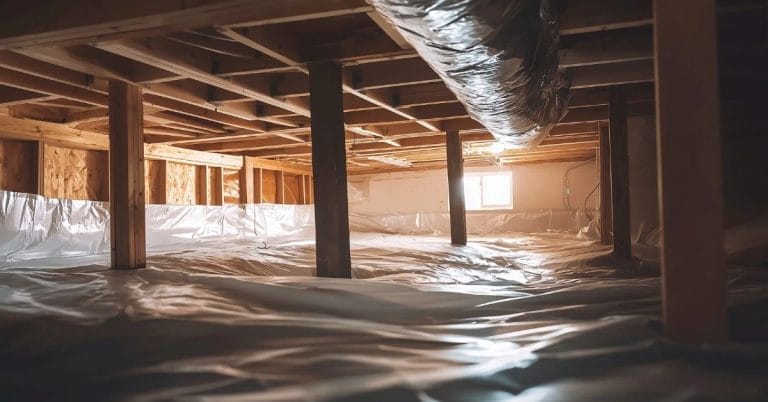
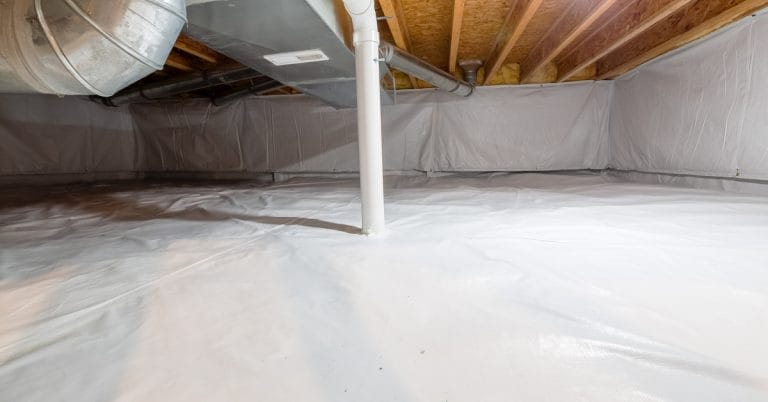
Exposed crawl spaces can make it easier for radon to enter a home because they sit directly above the soil. When the ground is uncovered, soil gas has fewer barriers between the earth and the air beneath the home. From there, radon can move upward through gaps in floors, plumbing openings, duct chases, and other small spaces that connect the crawl space to living areas.
A radon mitigation plan may involve more than one solution, especially when a home has an open crawl space. If a house has an open crawl space, sealing it is a good idea because bare soil can release radon directly into the air beneath the home. Closed crawlspace servicesinvolve installing a tough ground barrier, securing seams, and reducing gaps around the perimeter.

Weather Affects Radon Movement
The weather can change how soil gas behaves around a house. Heavy rain may saturate the soil, while cold weather may affect pressure patterns inside the home. Because these shifts change airflow, radon levels can rise and fall from week to week.
These conditions can affect how easily radon moves into a home:
- Frozen soil can block radon from escaping through the ground surface, so soil gas may move toward foundation cracks and openings instead.
- Heavy rain may saturate the ground and change how soil gas moves around the home.
- Wind can shift pressure around the house and affect how air moves indoors.
- Closed windows can reduce fresh air exchange and allow indoor radon levels to build.
- Heating systems may pull air upward, which may draw more soil gas in through lower-level openings.
Renovations Can Open Radon Paths
Home renovations can change how air moves through a house, especially when walls, floors, plumbing, or HVAC systems are altered. These changes may create new gaps for soil gas.
Renovation work can also cover up entry points, which makes these places harder to notice later. For example, new flooring, drywall, or built-in features may hide cracks, joints, or utility gaps near the foundation. If you’ve recently remodeled, a radon test can confirm whether the changes affected indoor levels.
Radon may start underground, but it becomes a concern when it finds a path into the rooms your family uses every day. Cracks, crawl spaces, pressure changes, weather, and renovations can all affect how this gas moves indoors. The right mitigation plan safely redirects radon and addresses how it enters your home. If you need radon mitigation services, contact Affordable Radon Southwest to talk with a local expert about practical next steps. Depending on your needs, we can install a system to redirect radon and close the crawl space to create a barrier between your home and the soil.