
Benefits of Installing a Residential Radon Mitigation System
Some home maintenance issues are easy to spot, but radon isn’t one of them. Radon poses a health risk because prolonged exposure to high concentrations can damage lung tissue and contribute to lung cancer. Installing a residential radon mitigation system is beneficial because it provides ongoing radon reduction rather than a one-time fix. With the right system in place, homeowners can reduce indoor radon levels without making changes to their daily routines.
Reduces Radon Levels Indoors
Radon forms naturally as uranium breaks down in soil, rock, and groundwater. From there, the gas can move through the soil and collect around a home’s foundation. Cracks, joints, sump pits, and other openings can then give radon a path into indoor spaces.
A residential radon mitigation system is designed to intercept that movement before radon can build up inside the home. The exact setup depends on the property’s foundation and other structural features. Installers use those conditions to determine where to create suction and how to route the system.
Depending on the home, a professional system may:
- Draw air from beneath a concrete slab.
- Create suction through an existing sump pit.
- Connect to an existing drain tile.
- Extract air beneath a sealed crawl space barrier.
Crawl Space Encapsulation Supports Mitigation
When a home has a crawl space, the installer may need to seal it before creating suction beneath the area. The technician places a durable plastic barrier over the exposed soil and secures it to surrounding surfaces to form a sealed space below the membrane. The mitigation system can then draw radon-containing air from beneath the barrier and vent it safely outdoors.
Supports Long-Term Household Health

Reducing radon isn’t only about improving one test result. One of the benefits of installing a residential radon mitigation system is that it continues reducing radon after installation. A specialized fan maintains suction within the system so soil gas can be collected and routed away from the home.
Because the system is designed to operate continuously, homeowners do not need to determine when to run it. Radon levels can still change with weather, soil conditions, and changes to the home, so periodic testing remains an important part of long-term radon management. Together, continuous mitigation and follow-up testing can support lower indoor radon levels continuously.
Why Radon Levels Can Fluctuate
Radon levels can rise and fall over time as conditions around the home change. Weather, soil moisture, air pressure, and seasonal temperature shifts can affect how easily radon moves through the ground and toward the foundation. Changes inside the home, including ventilation patterns or renovations, can also influence how much radon accumulates indoors. Because these factors aren’t constant, periodic testing can provide a more complete picture of radon conditions over time.
Allows Ongoing Performance Monitoring
After installation, the system’s manometer provides a quick way to check that pressure is being maintained within the piping and that the system is running properly. Periodic radon testing can then confirm whether indoor concentrations remain reduced.
These checks give homeowners useful information about how the system is performing between service visits. If the manometer changes noticeably or testing shows elevated levels, a professional can determine whether the system needs inspection or adjustment. Regular monitoring can provide added peace of mind that radon reduction is continuing as intended.
Requires Minimal Routine Attention

A professionally installed system is intended to keep operating without frequent homeowner intervention. Even so, it’s useful to stay familiar with visible components and continue testing for radon periodically. A few simple checks can make it easier to notice when the system may need service. Your technician will explain how to monitor the system after installation and what signs to watch for.
Homeowners can keep an eye on system performance with a few straightforward tasks:
- Check the system’s manometer periodically.
- Complete radon testing at recommended intervals.
- Watch for noticeable changes in system performance.
- Schedule service if a component needs repair.
What Installers Do During Setup
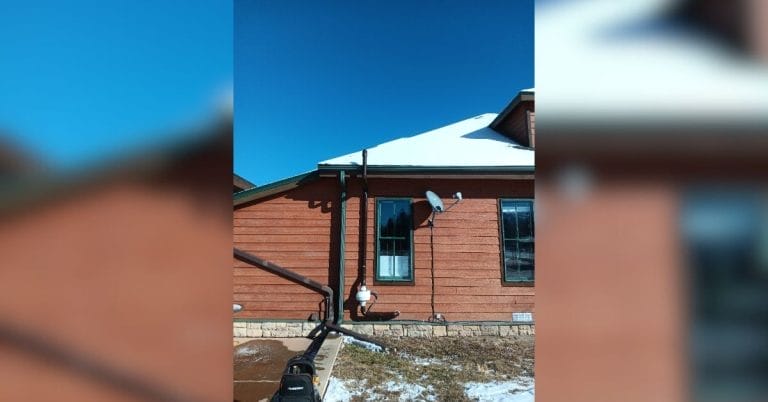
With professional home radon mitigation services, the technician matches the system to the home. They assemble the system with piping, a fan, electrical components, and a manometer to ensure it operates continuously. Installers also seal the system and make adjustments when needed to support proper airflow and suction. Once the work is complete, post-mitigation testing provides a way to confirm how well the system reduces radon.
Offers Long-Term System Protection
Warranty coverage can make future repairs or replacements easier to manage when a covered part develops an issue. With Affordable Radon Southwest, most system components come with a limited lifetime warranty, while the fan carries a seven-year warranty. Because different components can have different coverage periods, it’s useful to keep warranty details with the system records.
A radon mitigation system relies on several components that work together:
- PVC piping routes radon outdoors.
- Flex couplings connect sections of pipe.
- The manometer monitors system pressure.
- Electrical wiring and conduit supply and protect the system’s electrical connections.
- Roof flashing and roof jack installation seal areas where the system passes through the roof.
- The mitigation fan creates the suction that keeps air moving through the system.
Supports a Smoother Home Sale
A radon mitigation system can remain useful long after the original installation, including when ownership changes. Future occupants can continue to rely on the system to reduce radon, while installation records and testing history provide useful background on the property. This gives the next homeowner a clearer picture of how radon has been managed.
Transferable coverage can add another practical benefit. With Affordable Radon Southwest, applicable system and fan warranties transfer to future homeowners during the warranty period. Keeping installation, testing, and warranty records organized can make that transition smoother.
Radon mitigation gives homeowners a practical way to take control of an otherwise invisible indoor air concern. Once installed, the system becomes part of the home rather than something that requires constant involvement. Periodic testing and simple system checks can keep that protection on track over time. Contact Affordable Radon Southwest today to schedule professional radon mitigation.