
What To Expect From Commercial Radon Testing Services
Radon exposure creates serious health and liability risks for commercial property owners across the Southwest. In states like Arizona, New Mexico, Texas, and Southwest Colorado, naturally occurring uranium in soil releases radon gas that accumulates inside buildings. Because radon has no smell, color, or taste, property owners cannot rely on their senses to detect it. Professional testing gives you the only reliable path to understanding your risk and protecting occupants, tenants, and long-term asset value.
Affordable Radon Southwest created this guide explaining exactly what to expect from commercial radon testing services, how the process works, and why proactive testing matters for commercial buildings throughout the Southwest. By the end, you’ll feel confident getting your property tested and any potential issues mitigated.
Why Commercial Properties Need Radon Testing
Commercial buildings host employees, customers, tenants, and visitors every day. Long-term radon exposure increases lung cancer risk, even for nonsmokers. Property owners hold responsibility for maintaining safe indoor environments, and radon testing plays a direct role in that obligation.
Southwestern soil conditions often increase radon potential, especially in areas with granite, volcanic rock, or uranium-rich formations. Commercial buildings also experience pressure differentials from HVAC systems, elevators, and stack effect, which can pull radon gas indoors and concentrate it in occupied spaces.
Testing does more than protect health. It also supports regulatory compliance, reduces liability exposure, and strengthens trust with tenants and stakeholders.
Initial Consultation and Property Evaluation
As a professional radon testing provider, we begin with a detailed consultation. During this phase, our testing team gathers information about your building type, square footage, occupancy patterns, and HVAC. We also review building use, such as offices, schools, medical facilities, warehouses, retail spaces, or multi-unit properties.
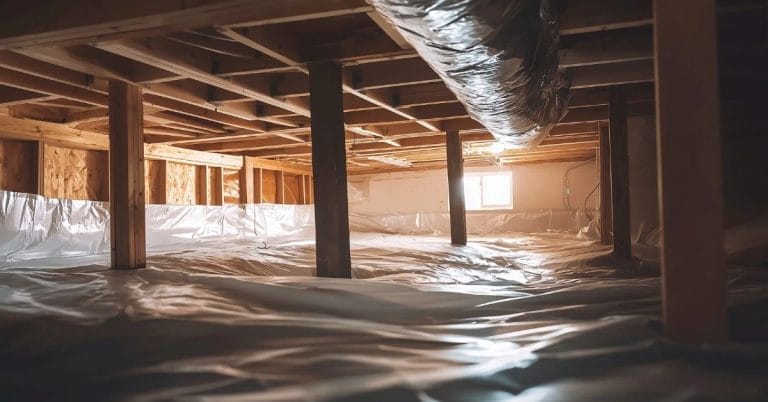
Southwest commercial buildings vary widely in construction style and foundation design. A proper evaluation considers slab-on-grade foundations, crawlspaces, basements, and mixed-use structures. The testing team identifies the lowest occupied levels and high-risk zones where radon accumulation typically occurs. This planning stage ensures accurate placement of test devices and reliable results.
Common Test Methods Used in Commercial Buildings
Commercial radon testing services require a more comprehensive approach than residential testing. Large buildings demand multiple test locations and, in some cases, longer measurement periods to account for airflow patterns and occupancy cycles.
Our professionals typically use continuous radon monitors, AC testing, or a combination of both. Continuous monitors record hourly radon levels and reveal fluctuations, which in some cases, may be tied to HVAC operation and daily building use. Passive devices collect data over extended periods and support compliance documentation. Testing protocols follow EPA and ANSI-AARST standards, which ensure defensible results for commercial decision-making.

Device Placement and Monitoring Period
Accurate radon testing depends on correct device placement. Technicians install monitors in areas that reflect normal occupancy while avoiding drafts, exterior walls, and direct HVAC airflow.
Commercial testing may need to run longer than residential testing to capture realistic exposure levels. Depending on building size and purpose, testing may last several days. During this time, normal building operations continue so that results reflect real-world conditions. Facility managers receive clear instructions to maintain standard HVAC operation and avoid unusual ventilation changes that could skew results.
All About Your Radon Test Results
After the monitoring period ends, professionals analyze the collected data and prepare a detailed report. This report includes average radon levels, device locations, and compliance comparisons.
Results use picocuries per liter (pCi/L) as the measurement standard. The EPA recommends mitigation when radon levels reach or exceed 4.0 pCi/L, although many commercial property owners choose action at lower levels to reduce risk and demonstrate proactive management. As an expert provider, we explain results in plain language and outline what the numbers mean for your specific property type and usage.
When Mitigation Becomes Necessary
Mitigation provides a clear path forward should your testing results reveal elevated radon levels. Commercial mitigation systems differ from residential systems due to building size, HVAC complexity, and occupancy requirements.
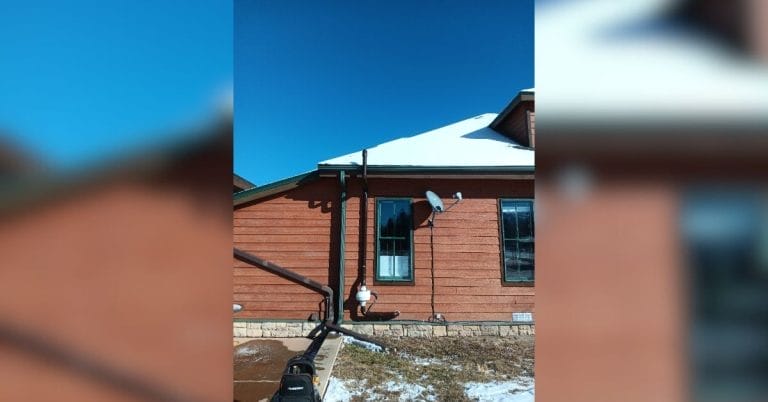
Mitigation strategies may include sub-slab depressurization, HVAC adjustments, sealing of entry points, or specialized ventilation systems. Professionals design solutions that integrate with existing building infrastructure and minimize operational disruption.
Effective mitigation reduces radon levels quickly and supports long-term compliance and occupant confidence.
Benefits of Professional Commercial Radon Testing
Professional testing delivers value that extends beyond regulatory compliance. It supports smarter property management decisions and enhances long-term asset protection.
Key benefits may include:
- Reduced health risks for occupants and employees
- Lower liability exposure for property owners
- Improved indoor air quality
- Increased tenant confidence and retention
- Stronger due diligence during property transactions
Commercial properties across the Southwest benefit from testing that reflects regional geology, climate conditions, and building design norms
How Testing Supports Transactions and Leasing
Radon testing plays an important role during commercial real estate transactions, leasing negotiations, and refinancing. Buyers and tenants increasingly expect environmental transparency, and radon data prevents last-minute surprises.
Testing supports smoother closings, faster lease approvals, and stronger negotiating positions. Property owners who test proactively demonstrate professionalism and risk awareness, which strengthens their market reputation. In competitive Southwest markets, documented radon safety can differentiate a property from comparable listings.

Choose the Right Provider in the Southwest
Commercial radon testing requires experience, regional knowledge, and technical precision. Providers who understand Southwest soil conditions, climate patterns, and commercial construction methods deliver more reliable results and practical guidance.
Look for a company that offers clear communication, standardized testing protocols, and actionable recommendations. Experienced professionals help you interpret results and plan next steps without unnecessary complexity.
Affordable Radon Services Southwest brings local expertise, industry standards, and commercial-focused solutions to properties across Arizona, New Mexico, Texas, and Southwest Colorado.
A Note on Commercial Radon Testing From Our Team
Radon exposure creates real risks for commercial properties, but professional testing services provide clarity and control. By understanding what to expect from the testing process, property owners and managers can take informed action that protects occupants, assets, and long-term value.
Testing delivers peace of mind, supports compliance, and strengthens trust with everyone who uses your building. For commercial properties in the Southwest, proactive radon testing stands as a smart investment in safety, transparency, and responsible ownership.