What Homeowners Need To Know About Radon Testing
Some home issues make themselves obvious, like a leaking roof or a broken appliance. Radon works differently because it has no smell, color, or warning signs. Homeowners should know that radon testing is the only reliable way to know if this dangerous gas is present indoors. Homes of any age, size, or style need to be tested because radon doesn’t target one specific type of house.
Why Radon Is a Problem
Radon forms naturally underground as uranium and radium in soil and rock break down. The gas rises through the ground and may collect inside buildings when it finds pathways through the foundation. No smell, color, or taste signals its presence, and testing provides the only reliable way to measure how much radon exists indoors.
Radon affects health when it breaks down into tiny radioactive particles that people breathe into their lungs. Once inside the lungs, these particles release small bursts of radiation that can damage lung tissue over time. Repeated exposure increases the chance that damaged cells may eventually develop into lung cancer. The gas ranks among the leading environmental causes of lung cancer in the United States.
How Radon Gets Inside
Radon moves upward through soil and eventually reaches building foundations. Once the gas encounters openings, it travels through them and enters the building. Basements and lower levels usually collect higher concentrations because they sit closest to the ground. However, radon can spread through an entire home after it enters.
These areas provide entry points for radon gas:
- Cracks in concrete slabs.
- Gaps around plumbing pipes.
- Open sump pits.
- Spaces inside hollow block walls.
- Floor and wall joints.

Every Home Differs
Homeowners need to know that the only way to get a clear answer about their indoor radon concentrations is to test their own home, regardless of what a neighbor’s reading shows. Radon levels can vary widely from one house to the next because every home has unique features that affect how radon moves and accumulates indoors.
Age of the Home
The age of a house can influence how radon enters and moves through the structure. Older homes may have foundation cracks, worn seals, or structural gaps that provide pathways for radon gas. Newer homes can still have radon issues, though, especially if the house sits on soil with higher natural radon levels.
Soil Composition
The type of soil beneath a home plays a major role in radon levels. Certain soils and rock formations contain more uranium, which naturally produces radon as it breaks down. Since homeowners cannot change the soil or rock beneath a house, the best solution is usually to install a home radon mitigation system to prevent gas buildup indoors.
Airflow Patterns
Air movement inside and around a home also affects radon readings. Heating and cooling systems, ventilation, and temperature differences between indoor and outdoor air can pull radon from the soil into the building. This process may cause radon to collect more heavily in lower levels of the home.
Construction Details
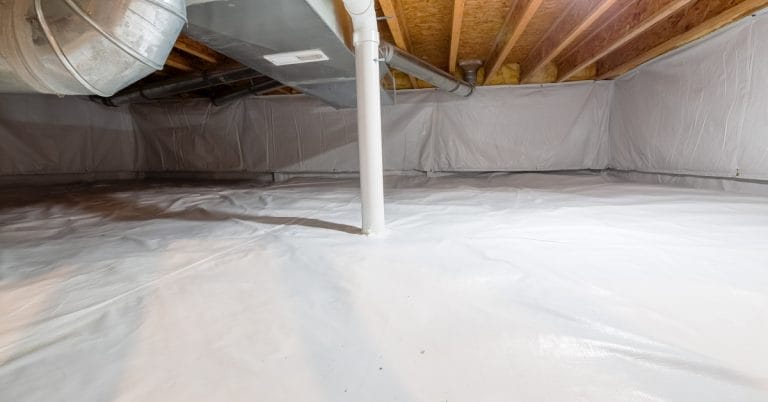
Small construction differences can lead to markedly different radon conditions from one house to another. The type of foundation, such as a slab, crawlspace, or basement, influences how easily radon can enter the home. Gaps around pipes, drains, and floor joints may also provide entry points that allow gas to enter.
When to Test
During home radon testing, technicians place gas monitors inside the home to measure levels under controlled conditions. The test results help homeowners decide whether further testing or mitigation is needed. Any home can develop measurable radon levels over time.
Several scenarios make testing especially worthwhile:
- Before purchasing a home.
- Before listing a home for sale.
- After finishing the basement.
- After structural changes to the foundation.
- When the home has never been tested.
- At the beginning of winter and colder temperatures.
Even if you’ve had your home tested before, retesting makes sense after major renovations that affect airflow or structural integrity. Basement remodels, HVAC upgrades, and foundation repairs may all change how air moves through the home.

Short-Term vs. Long-Term Testing
Radon tests usually fall into two main categories: short-term tests and long-term tests. Each option collects data over a different time frame. The choice depends on how quickly you need results and how detailed a reading you want.
Short-term tests usually run for a few days. They provide faster results, which makes them helpful during real estate transactions or initial investigations. Long-term tests remain in place for thirty days or longer. Because they measure conditions over a longer period, they reflect a more complete yearly average. Some homeowners choose to monitor continuously once they have a mitigation system in place.
Homeowners sometimes begin with a short-term test to determine whether radon levels are elevated. Follow-up testing may confirm the results or offer additional insight into seasonal changes.
What Happens During Testing
Professional radon testing typically takes place in the lowest level of the home that people use regularly. That location might be a basement, first floor, or another ground-contact living area. Technicians position equipment carefully so the reading reflects typical indoor conditions. Placement away from drafts and direct sunlight helps maintain accuracy.
Closed-House Conditions
Short-term tests usually require closed-house conditions while the test runs. If windows and doors stay open too much during the test, outside air can change the radon level indoors and make the results less accurate. That extra airflow may dilute the radon or change how it moves through the house, so the reading may not reflect normal living conditions.
During testing, homeowners should follow their testing provider’s guidelines, which typically include:
- Keep windows closed during the testing period.
- Use exterior doors only for normal entry and exit.
- Leave the testing device undisturbed.
- Operate HVAC systems normally.
- Avoid placing fans or heaters near the device.
Reading the Results
Radon test reports display results in a measurement unit called picocuries per liter, abbreviated as pCi/L. This number represents the concentration of radon in indoor air. A higher number indicates greater exposure.
The Environmental Protection Agency (EPA) established 4 pCi/L as the recommended action level for radon mitigation. When results reach or exceed this level, professionals recommend installing a mitigation system to reduce the concentration. Lower readings still indicate the presence of radon, yet they may not require immediate action. Homeowners may choose continued monitoring in those cases.
Context matters when reading a report. Short-term tests provide a snapshot of conditions during a specific time period. Long-term tests reveal a broader picture that includes seasonal changes. Reviewing the test type and duration alongside the result helps homeowners interpret the number accurately.
What High Levels Mean
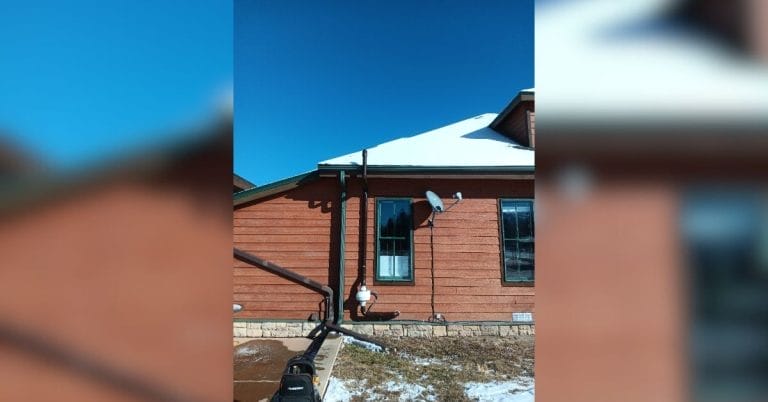
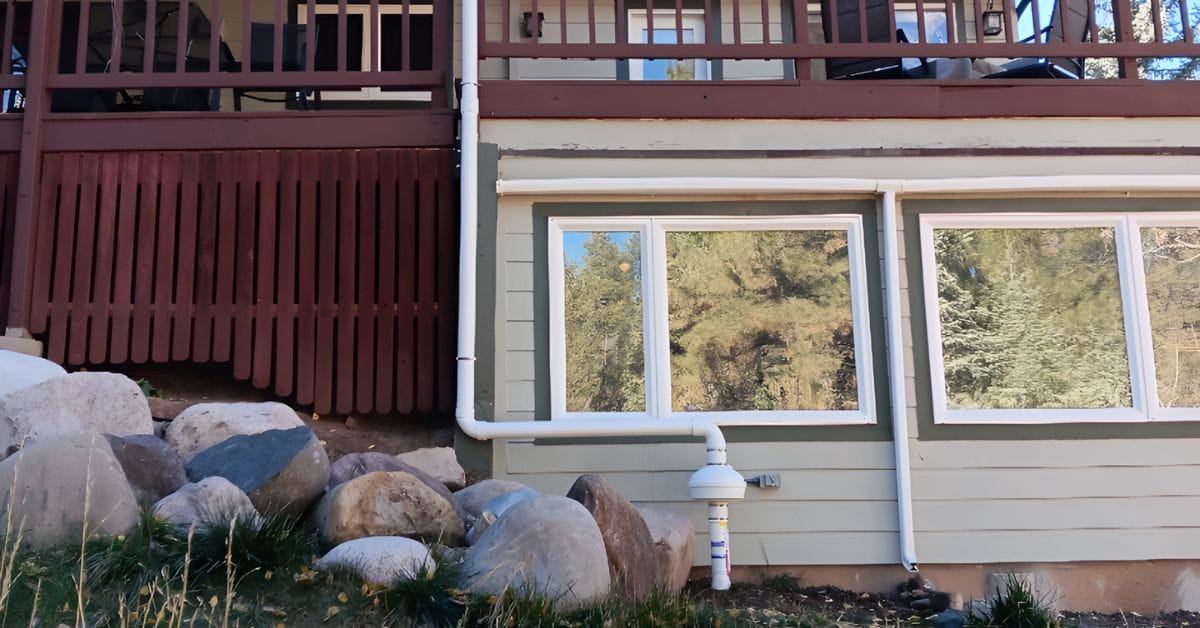
If your home has elevated indoor radon levels, it’s best to install a mitigation system to vent the gas safely outside. Many systems draw radon from beneath the foundation and release it above the roofline. These systems operate continuously to keep indoor levels lower.
Mitigation systems have been used successfully for decades in homes across the country. Installation typically involves a fan, piping, and sealing work around foundation openings. Professionals evaluate the home’s design to determine the most effective configuration. After installation, follow-up testing confirms the reduction in radon levels.
Radon testing turns an unseen concern into measurable information you can act on. Because soil conditions, airflow, and construction details vary from home to home, properties must be evaluated individually. If your home has never been tested, or if you’ve remodeled the basement or made structural changes, schedule a test to protect your household.