Signs Your Home May Have High Radon Levels
Radon is the second-leading cause of lung cancer in the United States, after smoking. Yet it’s easy for dangerous levels of this invisible and odorless gas to go unnoticed. The signs that your home may have high radon levels are tied to the building’s location, structure, and history. If you recognize any of these indicators, test your property and have a mitigation system installed to reduce indoor concentrations.
You’re in a High-Radon Zone
Some regions are more prone to elevated radon levels due to the natural composition of the soil. The EPA has mapped these areas to help homeowners understand their risk level by location.
EPA radon zones are typically categorized as:
- Zone 1: Highest potential (predicted average indoor levels above 4.0 pCi/L).
- Zone 2: Moderate potential (predicted levels between 2.0 and 4.0 pCi/L).
- Zone 3: Low potential (predicted levels below 2.0 pCi/L).
Zone 1 areas, which have the highest potential for elevated radon levels, are commonly found in parts of the Midwest, Appalachian region, the northern Plains, and portions of the Southwest. Zone 2 areas, with moderate potential, are more widespread and occur throughout much of the country.
Even within high-risk zones, radon levels can vary significantly from one property to another. This means that location alone cannot confirm whether your home has a problem. However, living in a moderate- or high-potential zone makes testing especially important if you have not already done so.
Neighbors Have Elevated Levels
If nearby homes have reported high radon levels, it can indicate a broader environmental pattern in your area. Radon comes from the ground, so similar soil conditions can affect multiple homes in close proximity. This makes neighboring test results a useful reference point.
That said, radon levels can still differ from house to house based on construction and airflow. One home may test low while another nearby tests high. If your neighbors have elevated levels, it’s a strong reason to test your own home.
Your Home Has Never Been Tested
Not testing leaves one of the biggest question marks regarding radon exposure. Without test results, there is no way to determine whether radon is present at safe or elevated levels. Many homeowners assume everything is fine simply because they haven’t noticed any issues.
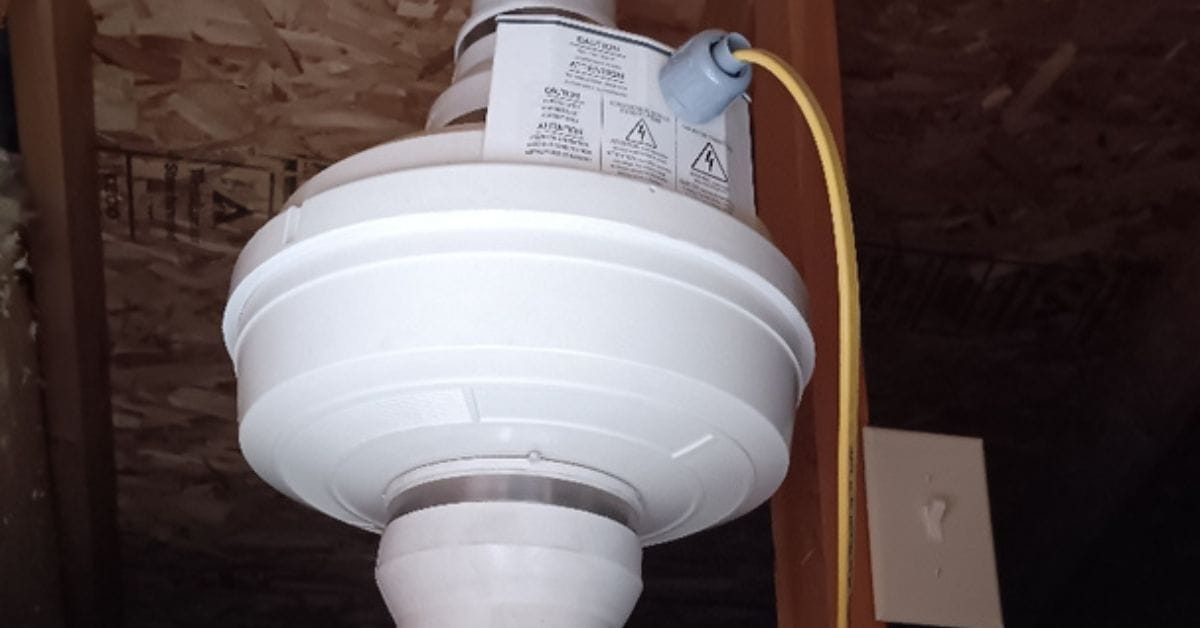
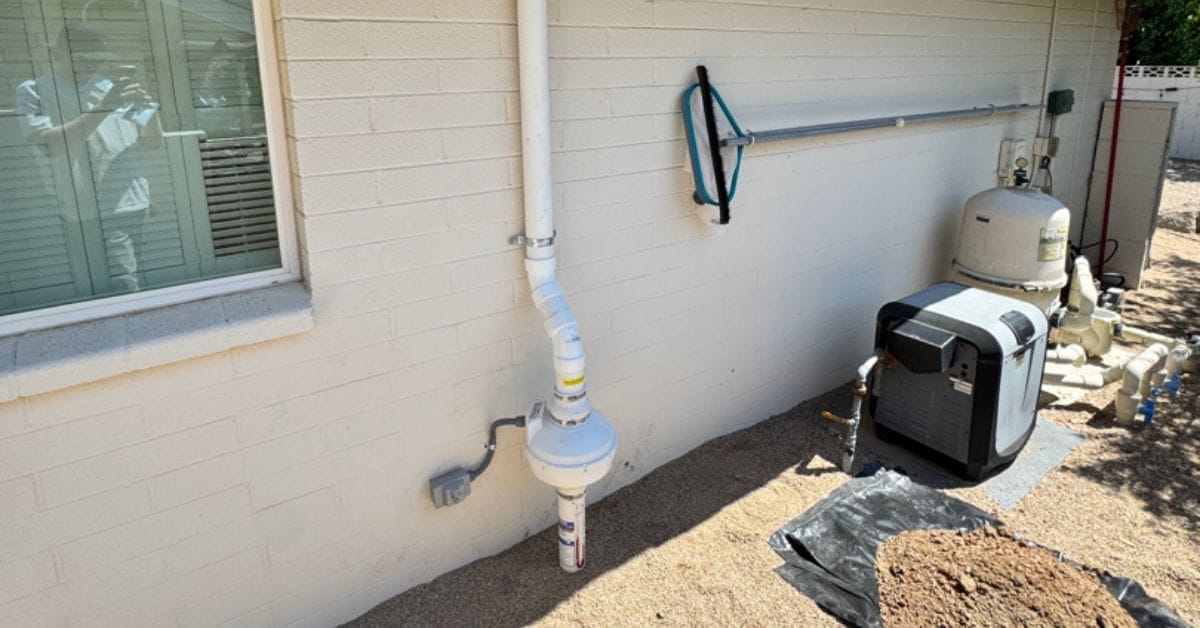
Since radon has no smell, taste, or visible presence, it cannot be detected without proper testing. This makes routine testing an essential part of home maintenance. If results come back high, residential radon mitigation services will reduce indoor radon by venting it safely outside. Mitigation systems are durable and effective at maintaining safer indoor air quality.
Features That Raise Radon Levels
Certain structural features can make it easier for radon to enter and accumulate inside a home. These elements influence how gas moves from the soil into indoor spaces.
Poor Ventilation or Airflow
Homes with limited airflow can allow radon to build up over time rather than dissipate. When fresh air exchange is low, any radon that enters the home may remain trapped indoors. This is especially common in tightly sealed or energy-efficient homes.
Without proper ventilation, pressure differences can draw radon in from the ground and keep it circulating. Improving airflow can reduce buildup, but testing is still necessary to confirm levels.
Basements and Crawl Spaces
Areas of the home that sit below ground level are in direct contact with the soil, which is the primary source of radon. This makes basements and crawl spaces common entry points for the gas. Homes with these features often have a higher risk of accumulation.
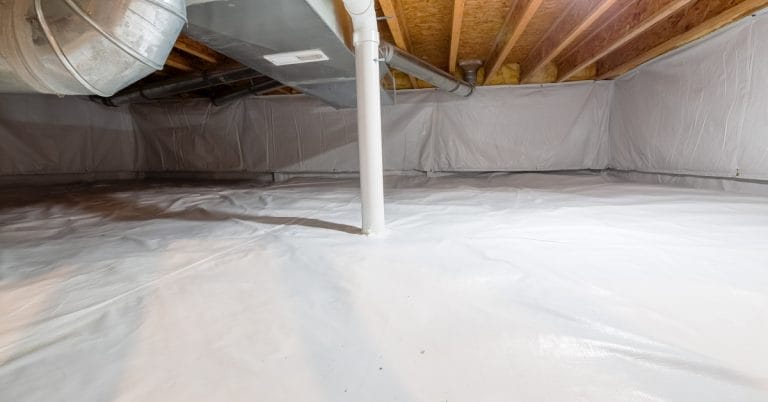
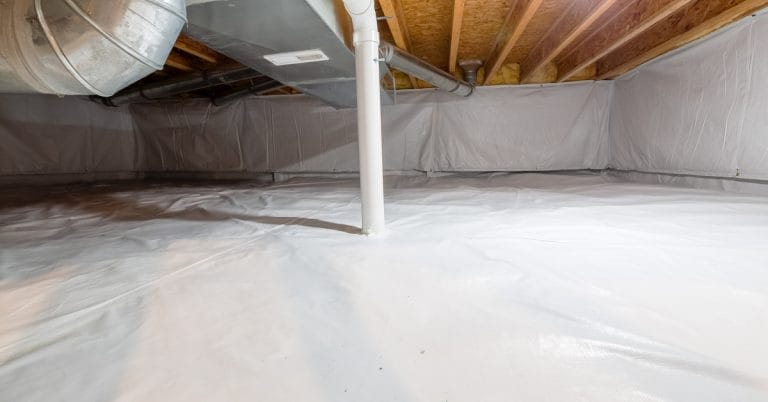
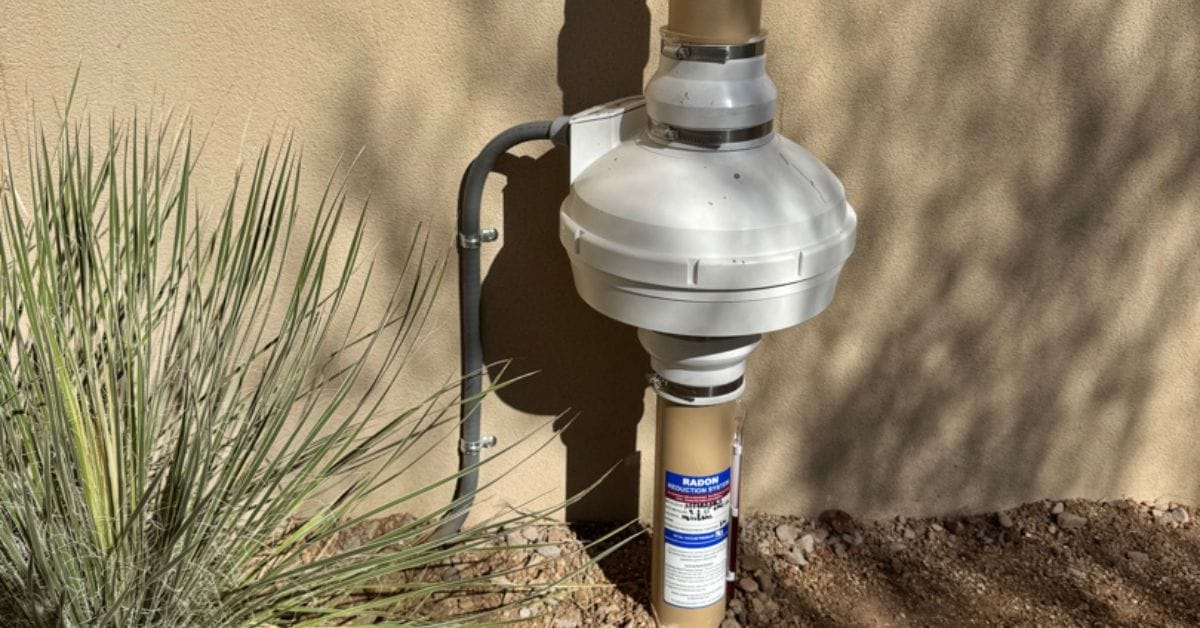
Radon can seep through even small openings at these lower levels and move upward into living spaces. To address radon in basements and crawl spaces, contractors may install a mitigation system that draws gas from beneath the home and vents it above the roofline. They may also add a heavy-duty vapor barrier to the crawl space.
Foundation Cracks or Pipe Gaps
Openings in the foundation provide pathways for radon to enter the home from the soil. Cracks in floors or walls, along with gaps around pipes, drains, and sump pumps, can all serve as entry points.
As a home naturally settles over the years, cracks and gaps can develop or widen. Sealing these areas can help reduce entry points, but it does not replace the need for proper radon testing.
When to Retest for Radon
A single test does not guarantee that levels will remain the same indefinitely. Radon levels can change over time due to environmental conditions and changes within the home. Retesting helps ensure that your home continues to be safe.
After Renovations or Changes
Home improvements can alter how air moves through a house. Changes to the foundation, layout, or airflow patterns may impact how radon enters and accumulates. Even updates like finishing a basement can affect overall exposure. Because of this, it’s a good idea to test again after any significant work is completed.
During Colder Months
Seasonal differences can cause fluctuations in radon readings. Testing is often recommended during the colder months, when windows and doors are kept closed. During this time, radon is more likely to accumulate indoors, and tests may reflect the seasonal higher levels. This is a useful time to evaluate your home’s baseline risk.
After Foundation-Affecting Events
Natural events such as heavy rainfall, flooding, or soil shifting can impact your home’s foundation. These changes may create new cracks or alter existing pathways for radon entry. After such events, retesting can identify any changes in radon levels.
Every Two to Five Years
Even without noticeable changes, the EPA recommends periodic testing every two to five years. Radon levels can shift gradually over time due to environmental factors. Retesting keeps your information up to date and reduces uncertainty.
While radon cannot be seen or smelled, certain patterns and conditions can indicate your home may have elevated levels. From geographic location to structural features, these signs build a clearer picture of potential risk. Regular testing remains the only way to confirm whether further action is needed. If levels are high, solutions can include sealing entry points, adding a crawl space vapor barrier, and installing a mitigation system. Contact us now to schedule your radon test and get clear answers about your home’s air quality.